Source Dirt Resistant Persian Carpet for Hotel Home Office
Explore 30 listings for dirt resistant persian carpet suitable for hotels, homes, and offices. Buyers can compare customization options, material types, and pricing details to find the right supplier for their specific needs.
Key considerations
Products List


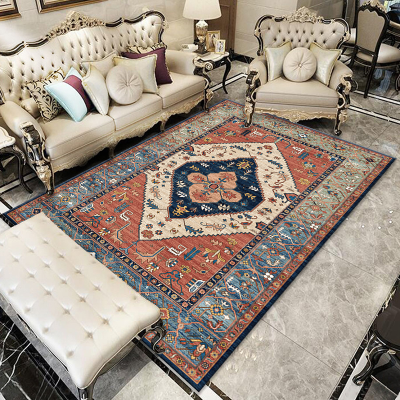




Comprehensive Sourcing Guide
Strategic Sourcing Guide for Dirt Resistant Persian Carpet Solutions
Understanding Product Attributes and Technical Specifications
When sourcing a dirt-resistant Persian carpet, buyers must first distinguish between the aesthetic requirements of the "Persian" design and the functional requirements of "dirt resistance." The provided market data indicates that while the design style can be Persian, the underlying construction often varies significantly from traditional hand-knotted methods to modern industrial techniques. The observed product attributes reveal a primary material composition of Chemical Fiber, specifically utilizing Polypropylene, Nylon, or Wool Blenders. This material selection is critical for dirt resistance, as synthetic fibers generally offer superior stain and soil retention properties compared to natural fibers alone.
The technical specifications for these carpets are diverse, reflecting a range of manufacturing capabilities. The product form is consistently identified as a carpet, with specific models ranging from broadloom styles to custom-cut dimensions. A key observation in the supply data is the variation in weight, which serves as a proxy for density and durability. The observed weight range spans from 180g/Sqm to 800g/Sqm, with specific high-density models reaching 1100g/Sqm. For a dirt-resistant application, a higher gram weight is generally preferred as it indicates a denser pile that resists soil penetration. Furthermore, the thickness is noted at specific points, such as 10mm, which contributes to the cushioning and the ability of the carpet to hide dirt within the pile structure.
The construction techniques observed include Non-Woven, Printed, Tufted, and Cut Pile or Loop Pile variations. The "Tufted" method, often associated with broadloom custom carpets, allows for the creation of specific pile heights and densities that can be engineered for high-traffic areas. The backing is a crucial component for dirt resistance; the data explicitly mentions "Anti-Slip Backing," which often includes a coating that seals the base of the carpet, preventing dirt from settling into the floor interface and making cleaning more effective. Additionally, the product features include "Adhesive Protective" properties, suggesting a treatment that may help repel liquids and particulate matter.
Compliance, Certification, and Performance Verification
In the B2B procurement of carpets, particularly those marketed for commercial and hospitality use, verifying compliance and performance claims is essential. While the supply data highlights specific advantages such as "Fire Resistant," "Oil-Proof," and "Sound Absorbed," these are listed as product attributes rather than certified test results. Buyers must understand that the presence of these claims on a product page does not constitute a guarantee of compliance with international safety standards without third-party verification.
For dirt-resistant carpets intended for use in hotels, offices, and exhibition halls, fire resistance is a primary compliance concern. The "Fire Resistant" attribute suggests the material may meet certain ignition resistance criteria, but the specific standard (such as NFPA, BS, or ISO) is not defined in the provided context. Procurement teams should request specific test reports from suppliers to confirm that the carpet meets the fire safety regulations of the destination country. Similarly, the "Oil-Proof" claim requires verification through stain resistance testing protocols, such as those defined by the Carpet and Rug Institute (CRI) or equivalent regional bodies.
The data mentions a product standard regarding dimensions, such as widths ranging from 1M to 4M and specific lengths based on buyer requirements. However, there is no explicit mention of environmental certifications like OEKO-TEX or GREENGUARD, which are often relevant for indoor air quality and chemical emissions. Buyers should explicitly inquire about the chemical treatments used to achieve dirt and oil resistance. Since the material is identified as Chemical Fiber, it is vital to ensure that the dyes and backing adhesives do not release volatile organic compounds (VOCs) that could compromise indoor air quality, especially in sensitive environments like mosques, hospitals, or schools.
Cost Drivers and Pricing Dynamics
The cost of sourcing a dirt-resistant Persian carpet is influenced by several variables, including material composition, production technique, and order volume. The observed price range in the market is broad, spanning from $0.4 to $80 per unit. This wide disparity is likely driven by differences in pile height, material quality (e.g., Nylon vs. standard Polypropylene), and the complexity of the Persian design printing or weaving.
A significant cost driver is the Minimum Order Quantity (MOQ). The data indicates an MOQ of 1000 square meters per color for certain bulk orders, while other listings suggest an MOQ as low as 1 unit. This suggests a tiered pricing structure where smaller orders command a premium per square meter, while larger orders benefit from economies of scale. The weight of the carpet also impacts cost; a 1100g/Sqm carpet will inherently cost more than a 180g/Sqm version due to the higher material usage and energy required for production.
Lead times and shipping terms also factor into the total landed cost. The observed delivery time is approximately 14 days after advance payment, with a broader range of 7-25 work days depending on quantity. The primary delivery term noted is Ocean Shipping, which is cost-effective for large volumes but requires careful logistics planning. Buyers should consider that "Customization" is available, which often incurs additional setup costs and longer lead times. The packing method, ranging from inner pipes with woven bags to double-layer corrugated cartons, also adds to the unit cost, particularly for smaller orders where protective packaging is more labor-intensive per unit.
Typical Applications and Usage Scenarios
The versatility of the observed carpet products allows them to serve a wide array of applications, from residential spaces to high-traffic commercial venues. The usage data explicitly lists Home, Hotel, Commercial, Office, and Decoration as primary use cases. The "Persian" design style, combined with dirt-resistant features, makes these carpets particularly suitable for environments where aesthetics and maintenance are both priorities.
In the hospitality sector, such as hotels, bars, cafes, and cinemas, the "Anti-Slip" and "Oil-Proof" attributes are critical. These carpets must withstand heavy foot traffic and potential spills without degrading or becoming a safety hazard. The "Sound Absorbed" feature adds value in commercial spaces like offices and exhibition halls, where acoustic comfort is necessary. The data also notes usage in "Wedding/Expo/Exhibition/Hallway," indicating that these carpets are often used as temporary or semi-permanent flooring solutions for events. In these scenarios, the ability to be machine washed or hand washed is a significant logistical advantage, allowing for quick turnover and reuse.
For residential applications, the "Modern" and "Business" design styles, alongside the "Solid Color" and "Persian" options, provide flexibility in interior design. The "All Season" attribute suggests that the material properties remain stable across different temperatures and humidity levels, making them suitable for various climates. The specific mention of "Mosque" usage highlights the cultural and religious significance of the design, where cleanliness and comfort are paramount. The "Adhesive Protective" feature may also be relevant for areas where furniture is frequently moved, preventing damage to the carpet surface.
Supplier Evaluation and Operational Capabilities
When evaluating potential suppliers for dirt-resistant Persian carpets, buyers should focus on operational transparency and production capacity. The data indicates that the products originate from Shandong, China, a region known for its textile manufacturing capabilities. However, the specific supplier names are not provided, and buyers must conduct their own due diligence to verify the legitimacy and capacity of the manufacturers.
Key evaluation criteria should include the supplier's ability to handle customization requests. The data confirms that customization is available, including color, size, and design. Buyers should assess the supplier's sample policy; the availability of free samples is a positive indicator of confidence in product quality. However, buyers must verify that the samples provided are representative of the bulk production, particularly regarding the "Persian" design accuracy and the consistency of the dirt-resistant treatment.
The production standards regarding dimensions are flexible, with widths from 1M to 4M and lengths tailored to requirements. This flexibility is a strong indicator of a capable manufacturing partner. However, buyers should verify the consistency of the "Tufted" or "Non-Woven" processes to ensure that the pile density remains uniform across the entire roll. The packing methods, such as "Inner Pipe + Outside Woven Bag" or "Double Layer Corrugated Carton," should be evaluated for their ability to protect the carpet during ocean shipping. Damage during transit can negate the benefits of high-quality materials, so robust packaging is a critical aspect of supplier evaluation.
Quality Control and Long-Term Procurement Considerations
Ensuring long-term value in carpet procurement requires a rigorous quality control (QC) strategy. The observed product attributes, such as "Machine Washable" and "Hand Wash," suggest that the carpets are designed for easy maintenance. However, buyers must verify that the cleaning process does not degrade the "Anti-Slip" backing or the "Oil-Proof" treatment over time. Repeated washing can sometimes compromise the structural integrity of the pile or the adhesive properties of the backing.
For long-term procurement, consistency in color and texture is vital. The "Solid Color" and "Persian" designs require precise dyeing and printing processes. Buyers should establish clear acceptance criteria for color fastness and pattern alignment. The weight variation from 180g/Sqm to 1100g/Sqm indicates that buyers must specify the exact weight requirement in their purchase orders to avoid receiving a product that is too light for their intended high-traffic application.
The lead time variability, ranging from 7 to 25 work days, necessitates careful inventory planning. Buyers should maintain a buffer stock to account for potential delays, especially for custom orders. The "Ocean Shipping" term implies that buyers must factor in transit time and potential port delays. Establishing a long-term relationship with a supplier who can guarantee consistent quality and reliable lead times is essential for maintaining operational continuity in commercial and hospitality settings.
Comparative Analysis of Product Specifications
To facilitate decision-making, the following table summarizes the key technical specifications observed in the market data for dirt-resistant Persian carpets. This comparison highlights the variability in construction and performance attributes that buyers must consider.
| Specification Category | Observation A (Standard/Bulk) | Observation B (High-Density/Custom) | Observation C (Event/Temporary) |
|---|---|---|---|
| Material | Chemical Fiber (Polypropylene/Nylon) | Chemical Fiber (Wool Blender) | Chemical Fiber |
| Technics | Non-Woven, Printed | Tufted, Cut Pile/Loop Pile | Printed, Tufted |
| Weight | 180g/Sqm - 800g/Sqm | 1100g/Sqm | Variable |
| Thickness | Not Specified | 10mm | Not Specified |
| Backing | Anti-Slip Backing | Anti-Slip Backing | Standard |
| Features | Anti-Slip, Adhesive Protective | Sound Absorbed, Fire Resistant, Oil-Proof | Anti-Slip, Machine Washable |
| Design Style | Modern, Business, Solid Color | Persian, Modern | Persian, Customized |
| MOQ | 1000sqm Per Color | 1000sqm Per Color | 1 Unit (Sample/Small) |
| Packing | Inner Pipe + Woven Bag | Double Layer Corrugated Carton | PE Bag and Woven Bag |
| Lead Time | About 14 Days | 7-25 Work Days | Variable |
This table illustrates that while the core material and basic features remain consistent, the specific configuration of weight, thickness, and construction technique varies significantly based on the intended application. Buyers must align their specific needs with these variations to ensure the selected carpet meets both aesthetic and functional requirements. By carefully analyzing these specifications and verifying claims through testing and supplier audits, procurement teams can secure high-quality, dirt-resistant Persian carpets that deliver value over the long term.
FAQs
What material is used for dirt resistant persian carpet?
The material is primarily chemical fiber, including polypropylene, nylon, or wool blends. This synthetic composition offers superior stain and soil retention compared to natural fibers alone.
Can I get free samples for dirt resistant persian carpet?
Free samples are available for buyers to verify quality before placing an order. This allows you to check the pile density and design accuracy without immediate financial commitment.
How long is the delivery time for dirt resistant persian carpet?
Delivery typically takes about 14 days after receiving the advance payment. The broader range is 7 to 25 work days depending on the specific quantity ordered.
What is the minimum order quantity for dirt resistant persian carpet?
The standard minimum order quantity is 1000 square meters per color for bulk orders. Some listings may accept lower quantities, but pricing varies significantly with volume.
Which cleaning methods are suitable for dirt resistant persian carpet?
These carpets are designed for both machine washable and hand wash maintenance. This feature ensures easy upkeep for high-traffic areas like hotels and exhibition halls.
Where are dirt resistant persian carpets manufactured?
The products originate from Shandong, China, a region known for textile manufacturing. This location supports the production of various styles including modern and Persian designs.
What features make dirt resistant persian carpet suitable for hotels?
Features include anti-slip backing, oil-proof properties, and sound absorption capabilities. These attributes ensure safety and comfort in commercial spaces like hotels, offices, and mosques.